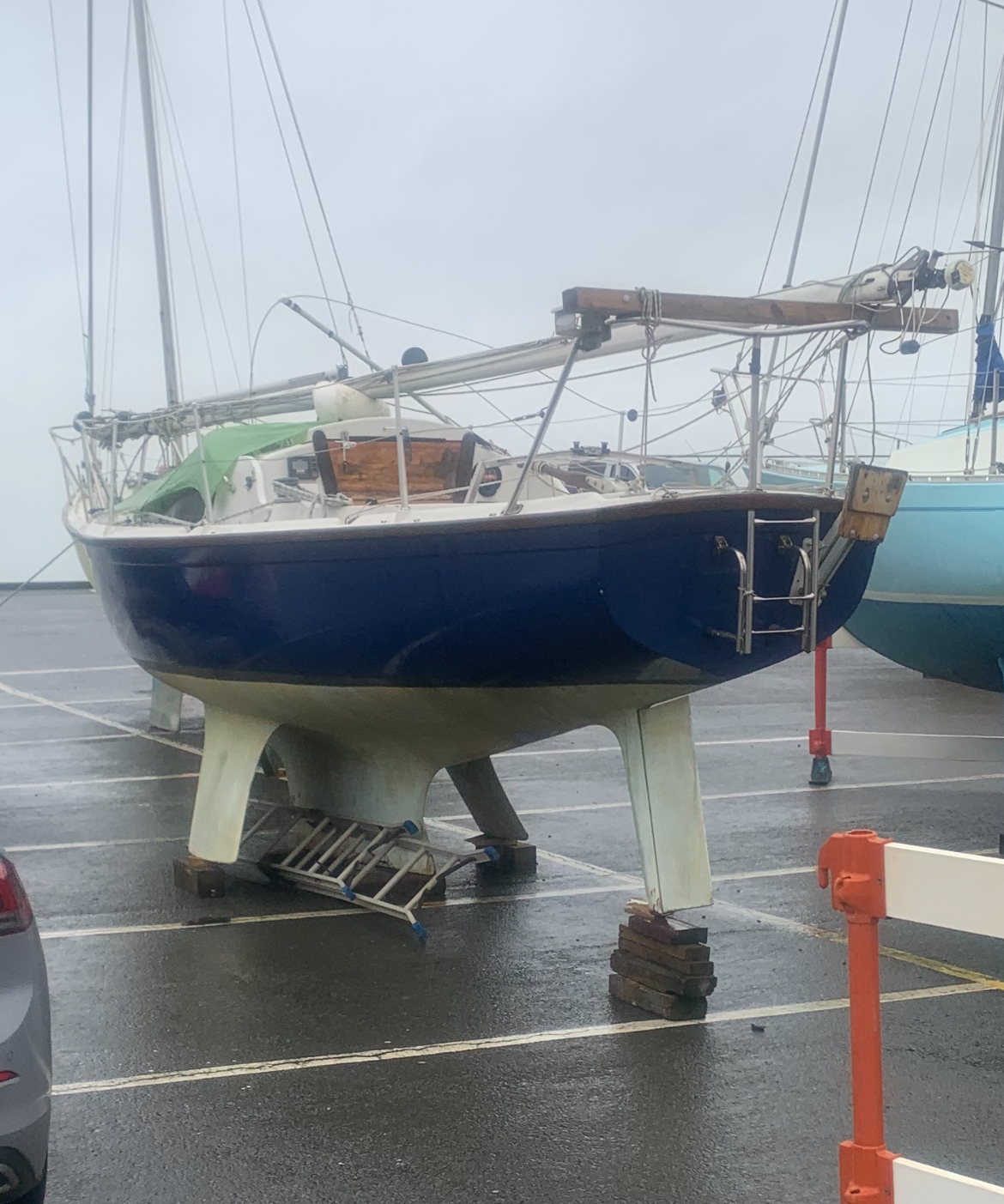
Cutting Losses: Boatbreakers Dismantle Osmosis-Ridden Elizabethan 31 in Gosport

Elizabethan 31 Recycling
The Boatbreakers team arrived at the Gosport boatyard to handle the end-of-life process for an Elizabethan 31 yacht. This classic cruiser represented the end of an era for its owners. Who had reluctantly decided to exit boating entirely after trying to sell the vessel for over a year with no success.
The primary hurdle for potential buyers was immediately obvious. The hull suffered from widespread osmosis, a condition that deters even the most enthusiastic project boat seekers. Recognising that the boat’s sailing days were definitively over. The owners opted to cut their losses and call in the experts for ethical disposal.
Salvage Operation
While the hull was destined for recycling, the vessel held a surprising number of valuable assets. The Boatbreakers team meticulously removed the relatively new mast and boom, which were in excellent condition and quickly slated for resale. Additionally, the reliable Volvo Penta engine was saved and extracted. Alongside various quality deck fittings, including the winches, and several useful internal fittings.
The successful salvage operation ensured that components from the unwanted yacht could live on. Giving the owners peace of mind that even in retirement, their Elizabethan 31 still contributed value before the hull itself was responsibly recycled.
This process of clearing unwanted vessels like the Elizabethan 31 offers a significant benefit that extends beyond the owners. It’s crucial for the boatyard itself. By removing dead-stock, the yard immediately frees up valuable berths and storage space that can be leased to new, paying customers. This efficient turnover of non-revenue-generating boats is essential for maintaining the yard’s profitability and operational capacity. Effectively transforming a stagnant asset into a fresh business opportunity.
Repairs Exceed Value
Furthermore, opting for professional disposal with Boatbreakers provided a definitive financial conclusion for the owners. The final bill for the removal, salvage, and recycling of the Elizabethan 31 came in significantly less than the cumulative cost of another year’s storage fees and routine maintenance at the boatyard. Crucially, the expense was minuscule compared to the astronomical cost of properly stripping, treating, and repairing the widespread osmosis on the hull. A repair that likely would have exceeded the boat’s ultimate market value, even if successful.