Boat in Probate? Executor’s Guide For a Deceased Owner’s Boat

Published On: November 3rd, 2025By Categories: Articles779 words3.9 min readLast Updated: December 16th, 2025
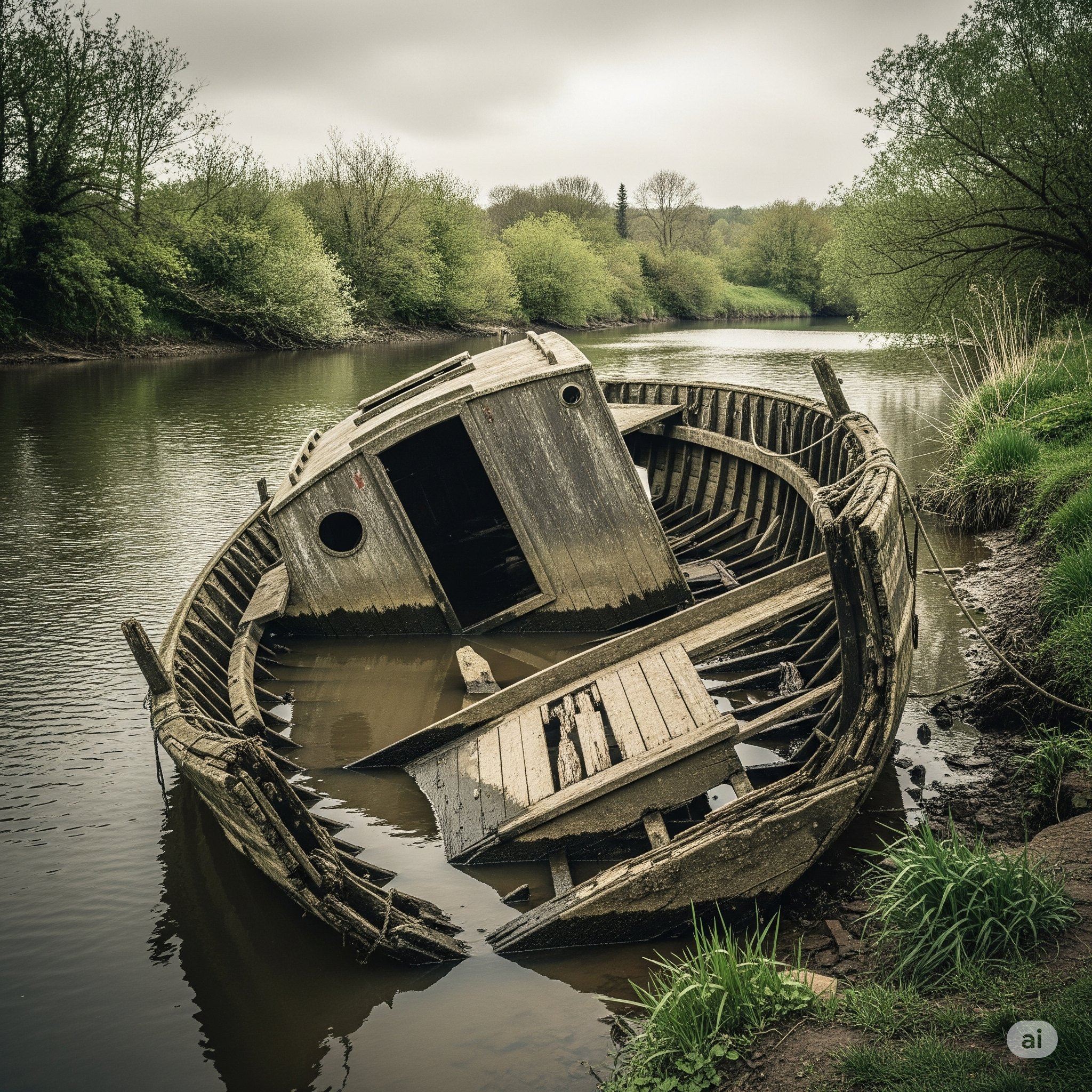
Picture 1: Boat in Probate? Executor’s Guide For a Deceased Owner’s Boat

Advertisement

Boat in Probate?

How Boatbreakers Can Simplify Boat Disposal in a Deceased Estate

The loss of a loved one is a stressful time, and being named an Executor or Administrator adds a significant administrative burden. Among the myriad of details, property, bank accounts, investments. You might discover an asset that is quickly becoming a liability: an unwanted, aging, or non-functional boat.

When a boat is part of a deceased owner’s estate or tangled up in probate, the process of selling or disposing of it can feel like navigating a legal minefield. Marina fees accrue daily, insurance lapses, and the vessel itself may be deteriorating.

This is where a specialist boat disposal company, like Boatbreakers, become an indispensable partner. Offering a clear, compliant, and stress-free path forward.

The Probate Problem

Why a Boat Can Become a Headache

Unlike a car, which often has a clear scrap value and an established V5C process. An end-of-life boat presents unique challenges, especially when tied to an estate:

  • Accruing Costs
    Boats incur costs even when unused: Mooring fees, Marina storage, and Insurance premiums. These debts quickly eat into the estate’s value.

  • Lack of Value
    Many older or damaged fibreglass vessels have little to no resale value. In fact, due to the materials, they cost money to dispose of responsibly. They are a liability, not an asset.

  • The Legal Paperwork
    To legally sell or dispose of an asset in an estate, the Executors must have the authority to act, usually confirmed by the Grant of Probate (or Letters of Administration). Dealing with a boat before this is granted can lead to complications regarding the transfer of ownership.

  • Environmental Compliance
    Improper boat disposal is an ecological disaster. Executors are responsible for ensuring the boat is disposed of legally and environmentally safely. Preventing pollution from leaking fuels, oils, and hazardous waste.

The Boatbreakers Solution

A Clear Course of Action

At Boatbreakers, our professional boat disposal service is equipped to handle the logistical and administrative complexities that Executors face. We streamline the process by offering a comprehensive solution.

Expert Initial Assessment

The first step is a professional assessment. We will evaluate the vessel’s true condition, identifying any potentially valuable parts (engines, electronics, sails) that can be stripped and sold to offset disposal costs. We will help you determine if the boat is salvageable for resale or truly end-of-life and requires breaking.

Navigating the Documentation

While the Executor must wait for the Grant of Probate before the sale or disposal can legally be completed, our disposal expert understands the required documentation:

  • Executor Identification
    We will work directly with the Executor(s) named in the Will or the appointed Administrator(s) to ensure we are dealing with the legally authorised party.

  • Proof of Ownership
    We assist in collating necessary historical documents (bills of sale, marine registration, previous insurance papers) to establish the boat’s chain of title.

  • The Certificate of Destruction (CoD)
    This is perhaps the most crucial document for an estate. Once the boat is responsibly dismantled, the company issues a CoD. This final piece of paperwork proves the asset has been properly destroyed and the estate’s legal responsibility for the vessel has ended. This protects the Executor from future liability, such as issues with abandoned vessels or environmental fines.

Logistical Relief: Collection and Transport

Getting an unseaworthy boat from its mooring or boatyard to a scrapping facility is often the biggest physical headache.

At Boatbreakers, we handle all the heavy logistics:

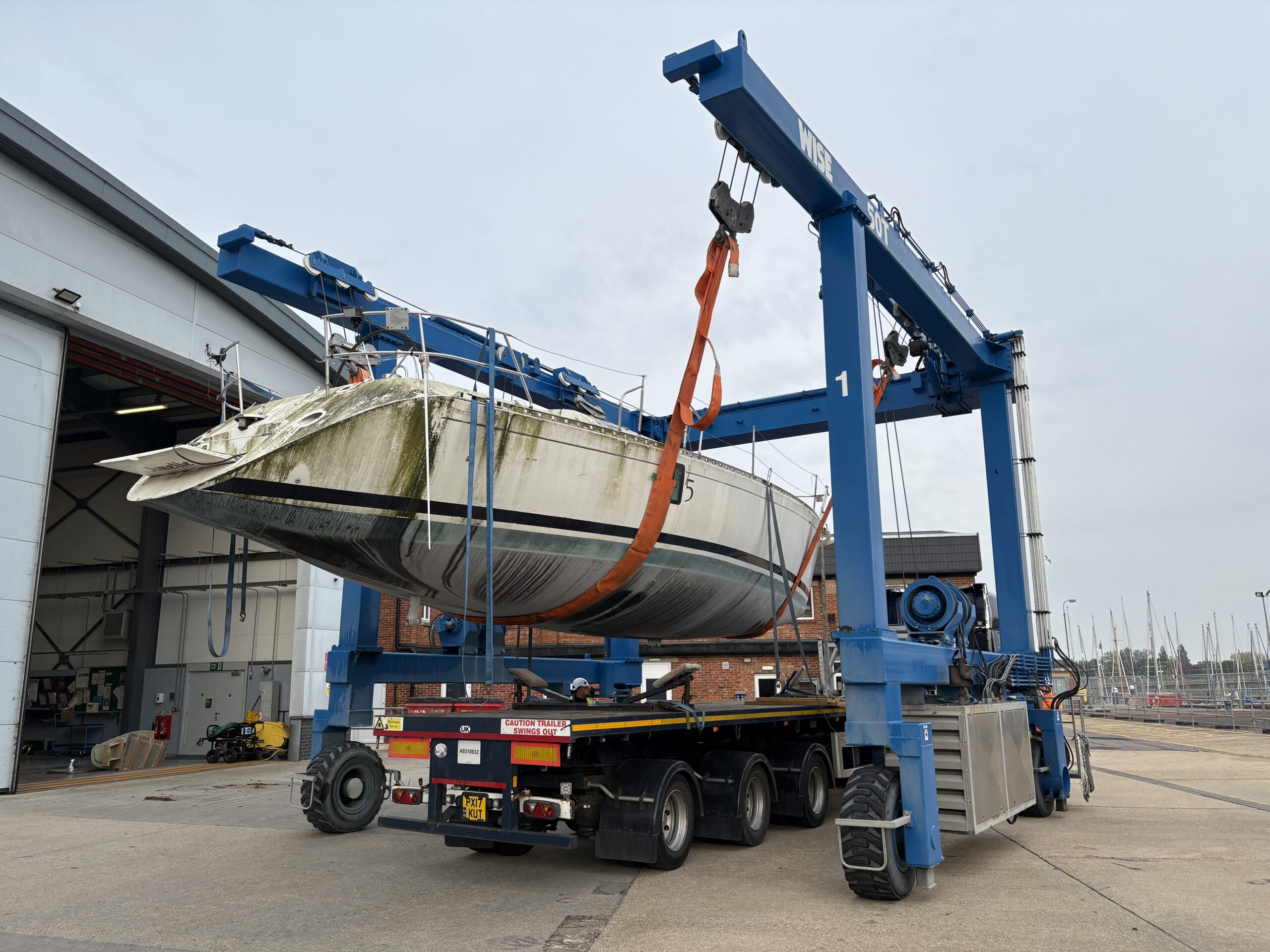
  • Arranging cranes and specialist transport for non-trailerable or remotely located vessels.

  • Coordinating with marinas and harbour authorities for swift and compliant removal, often helping to stop those expensive mooring fees from mounting up.

Responsible and Ethical Disposal

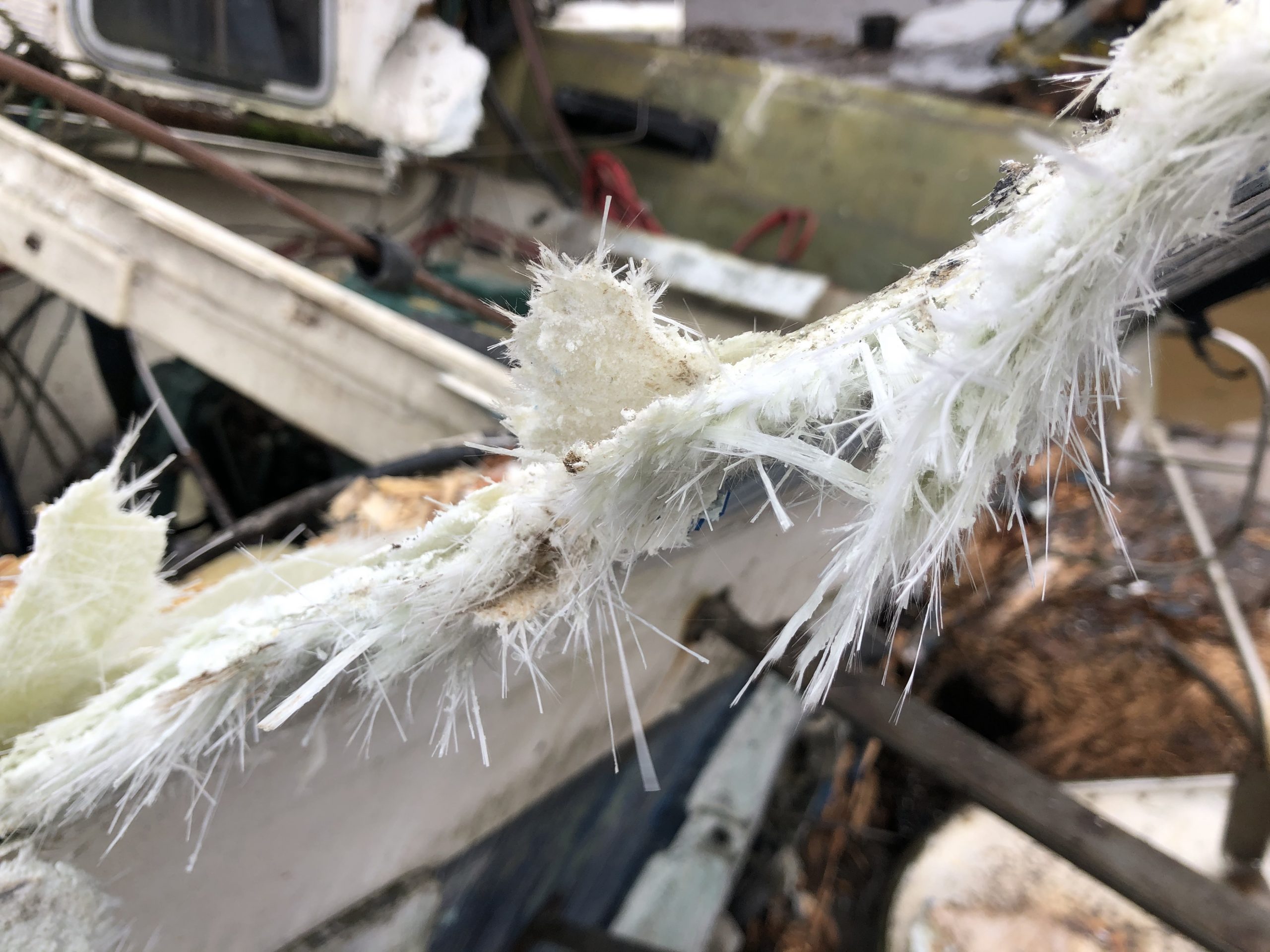
The boat is carefully dismantled at our licensed facility. All hazardous materials, from old batteries and fuel to engine fluids, are safely removed and processed. Metals, which often hold residual scrap value, are separated for recycling. The remaining bulk materials, primarily fibreglass (GRP), are processed for landfill diversion or sent for energy recovery, ensuring the disposal meets the highest environmental standards.

Key Takeaway for Executors

If you are dealing with a boat in an estate, do not allow it to sit unused and accrue debt. Contacting a specialist boat disposal company like Boatbreakers early on provides peace of mind.

We turn an intimidating, time-consuming liability into a completed, documented, and compliant disposal, allowing the Executor to close this chapter of the estate with confidence.


Have you inherited a vessel that has reached its end-of-life? Get in touch with our boat disposal experts today to discuss your situation and receive a clear quote for compliant disposal. Fill in our Scrap Form and our team will do the rest.

Advertisment

BuyAnyBoat

Advertisment

If you would like to advertise in this space, please contact us for more information and prices.

Advertisement

If you would like to advertise in this space, please contact us for more information and prices.

Tags: boat disposal boat liability boat recycling boat scrapping boatbreakers deceased estate boat end of life boat executor guide grant of probate marina fees marine salvage probate boat unwanted boat

Share This Story

Join Our Facebook Group

Follow Our YouTube Channel

Find Your Next Project on Lonely Boats

Browse Our Shop on Boatscrapyard